
The Rise and Rise of Paddle and Pickleball in India
- Sohini Shah

- May 14
- 4 min read
I didn't know what paddle or pickleball were two years ago. Looking back, that ignorance was actually a good marker of the problem.
Most people still don't know. But they will. And when they do, they'll realize they missed the biggest sports opportunity India has seen since the IPL.
Let me explain why I think Paddle and Pickleball is now got-to social activity.
In 1965, two bored Americans named Joel Pritchard and Bill Bell came home from golf and couldn't find badminton racquets. So they improvised. Ping-pong paddles, lowered net, their kids' boredom solved. That's how pickleball was born. A backyard accident that nobody took seriously for 50 years.
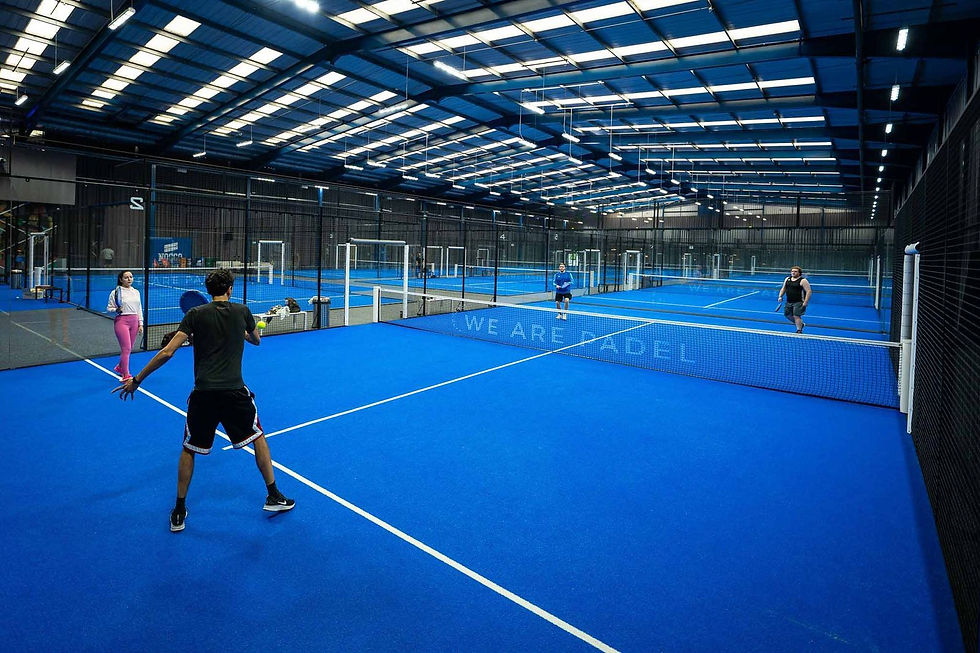
Similarly, paddle tennis was created in Spain in the 1970s by a coach named Enrique Corcuera who wanted something easier than tennis but still competitive. He built it in his backyard. Both sports were literally born from the same impulse: make something simpler, more accessible, more fun.
For decades, they remained niche. Pickleball was a retirement community sport in America. Paddle was a European curiosity. But then 2020 happened. COVID locked the world down. People needed something social but safe. Something quick. Something that didn't require years of training. Pickleball exploded in the US. From 3 million players to 36 million in four years.
India was always going to get there eventually. But I don't think anyone predicted how fast.
Sunil Valavalkar brought pickleball to India in 2006 after visiting Canada. He played it daily for 110 days, fell in love with it, and thought "Why not home?" He started teaching his family, friends, neighbors. For years, nothing happened. The All India Pickleball Association was formed in 2008, but it remained quiet. Unknown. The sport didn't take off immediately. Most people didn't care.
Then 2020 happened again. And this time, three things aligned perfectly in India.
First, the pandemic. People needed something safe and social. Pickleball delivered. Courts that were empty in 2019 became gathering points in 2020. People played in groups. It was outdoors. It was low contact. It filled a void that nothing else could fill.

Second, real estate developers realized something simple but profound. Instead of investing 15 lakh in one tennis facility, they could invest 5 lakh and get four pickleball courts. Parking lots became venues. Building rooftops became courts. Small housing societies that could never afford tennis suddenly had pickleball. The economics were absurd. Three-month payback in Mumbai and Bangalore.
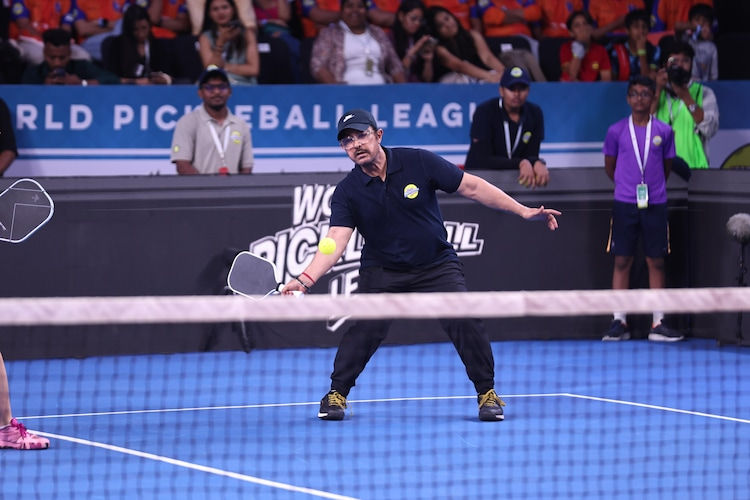
Third, celebrity culture and Instagram happened. Around 2024, Hardik Pandya started playing. Aamir Khan showed up at events. Sania Mirza partnered with a brand to bring equipment to India. Suddenly, it became cool. The courts themselves were designed for Instagram. Neon lights, vibrant colors, the whole aesthetic. "Come for the game, stay for the conversations." Gen Z and millennials didn't need convincing. This was their sport.
Here are the numbers that should make you pay attention if you're in any way connected to sports or marketing.
In early 2024, India had 200 pickleball courts. By early 2026, it was 1,200. That's six times more in 24 months. Active players went from 60,000 to 150,000. That's 150 percent growth. Courts are being added at three to four per week in major metros. Equipment that cost 15,000 rupees a year ago now costs 2,000 to 4,000 because over 60+ brands entered the market simultaneously. The All India Pickleball Association's target is one million active players by 2028. Olympic inclusion by 2036.

Pickleball and paddle are the opposite. They're democratic. Eight-year-olds and eighty-year-olds play together. A game lasts 20 to 30 minutes, not three hours. Court time costs 200 to 500 rupees, not thousands. You can pick up a paddle today and play a real game today, not in six months after training. And crucially, it's social. You play with people. You laugh. You talk. You build community.
In Bangalore, tech workers made it their weekend escape. In Pune, local clubs built genuine communities around it. In Mumbai, it became the cool weekend activity. It filled the space between fitness and social life that nothing else was filling.
Established sports are locked in. Cricket has Nike, Adidas, everyone. Badminton has its ecosystem. Tennis is covered. But paddle and pickleball? The major brands haven't arrived yet. The leagues just launched. The professional structure is forming. The sponsorship landscape is completely open.

That's rare and valuable. That's the kind of opportunity that doesn't come around often.
The market is projected to reach 7,500 crore rupees by 2030. Most of that opportunity is still unclaimed. The audience is growing at 150 percent annually. The demographic is urban, young, affluent, lifestyle-conscious. The community is being built in real time.
Two years ago, I thought Paddle and Pickleball were niche, weird sports. I was wrong. They're evidence of something bigger: when the conditions are right, new sports can explode faster than established ones can adapt.
I think the next two years will be crucial. The brands that recognize this early, the marketers who understand the opportunity, the entrepreneurs who build the infrastructure, they'll be the ones building Indian sports culture in the next decade.
Paddle and Pickleball aren't just games anymore. They're the future of how urban India wants to play, connect and live.
Everyone else is about to realize it too. By then, the opportunity will be gone.

Comments